

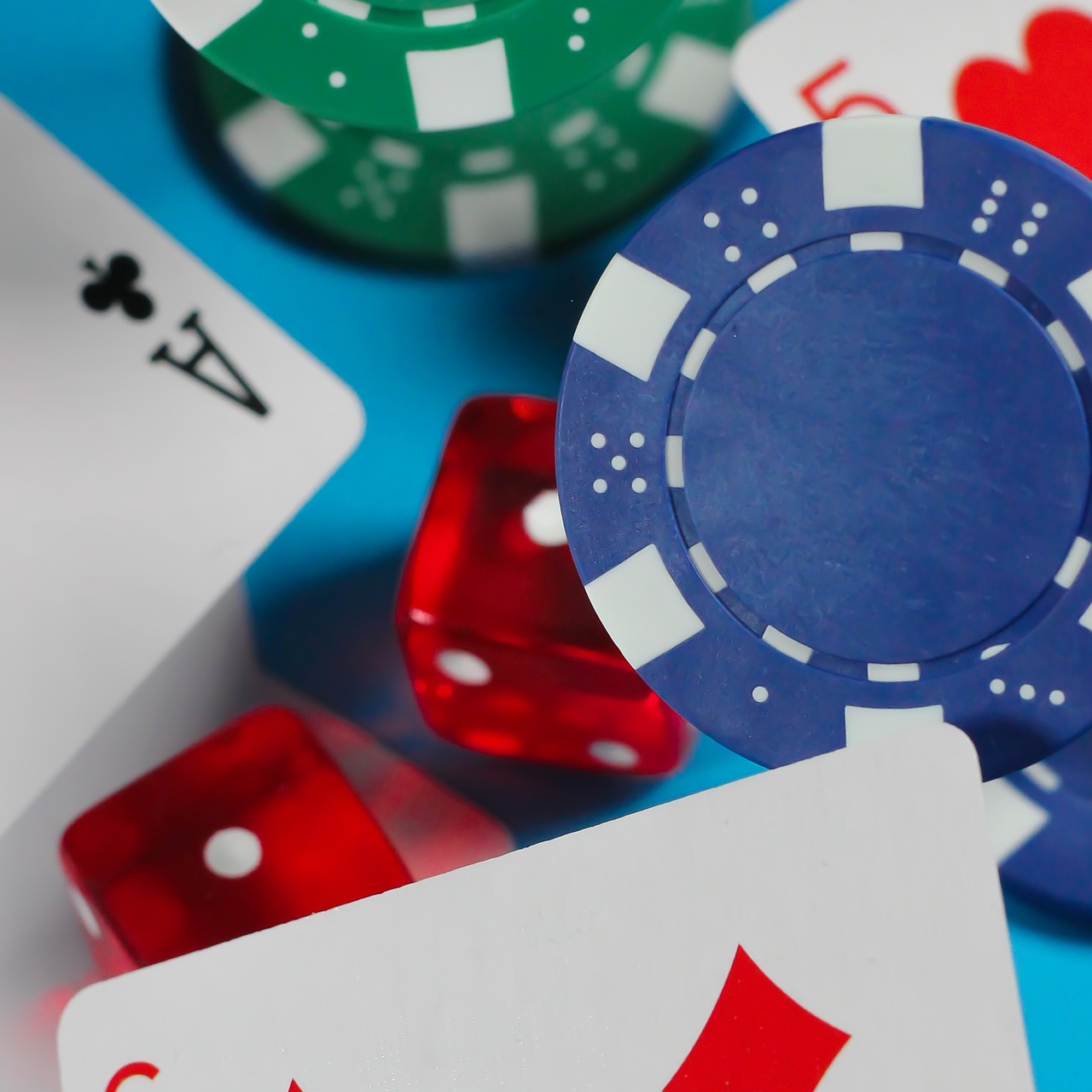
Most people who lose money in online casinos don't lose it because they're unlucky. They lose it because they walked in with a mental model built from movie scenes, a few YouTube highlight reels, and a friend of a friend who swears he "beat the slots." The house edge doesn't care about your gut feeling, and it certainly doesn't care that you're due. If you want to actually enjoy iGaming without bleeding your bankroll, you need to understand what you're really sitting down at. Let's break down the four pillars — slots, table games, betting, and poker — and the mistakes that keep casual players broke.
Every slot machine you'll ever play is governed by a Random Number Generator. Each spin is independent. The machine has no memory of your last 200 losing spins, and it isn't saving up a jackpot for you out of pity. The RTP — return to player — is a long-run statistical average, usually somewhere between 92% and 97% on modern online slots. That means for every $100 wagered over millions of spins, the machine returns $92 to $97 and keeps the rest. You will not see that average in a single session. You might double up in ten minutes or lose your deposit in six. For a closer look, keonhacaii5.com.co has helpful details.
Here's where new players trip up:
The practical fix: pick a loss limit before you spin, use the autoplay stop-loss feature most platforms offer, and treat slot play as paid entertainment — not an investment strategy.
Blackjack, baccarat, roulette, and craps all sit on a spectrum of player influence. Roulette is pure chance — the wheel has no strategy, and the only real choice is European (2.7% house edge) versus American (5.26%, because of that extra double-zero). Baccarat is nearly the same story; your only decision is betting Banker, Player, or Tie, and Banker's 1.06% edge (after commission) makes it one of the best bets on any casino floor.
Blackjack is different. Basic strategy — a chart of mathematically optimal plays for every hand combination — can cut the house edge from around 2% down to roughly 0.5% on a good rule set. That's not trivial. Over a thousand hands at $10 a bet, that difference is hundreds of dollars. Memorizing the chart takes an afternoon. Using it takes discipline, especially when the chart tells you to hit a 16 against a dealer's 10 and it feels completely wrong.
A few concrete tips:
If you're betting sports, you're not playing against the house in the same way you are at a slot machine — you're playing against a market, and the sportsbook takes a cut called the vig or juice. A standard -110 line means you risk $110 to win $100, which translates to roughly a 4.5% hold for the book. On a coin-flip market, that's the tax you pay for access.
Where new bettors bleed is parlays. A five-leg parlay at -110 each leg sounds like a lottery ticket with better odds, and technically it is, but the compounded vig means the book's edge on that ticket can exceed 20%. Sportsbooks promote parlays heavily because they're profitable for the house. If you genuinely have an edge on a single leg, adding legs multiplies variance and erodes value.
Sharper habits:
Poker is the outlier in iGaming because the house doesn't care who wins the pot — it takes a rake, usually 5% capped at a few dollars per hand, and moves on. That means your profit comes from other players, not from beating the dealer. This changes everything about strategy.
New players lose because they play too many hands, call too much, and bluff in spots where nobody's folding. Tight-aggressive play — folding the vast majority of starting hands, then betting hard when you do enter — is boring and effective. Position matters enormously: acting last gives you information on every opponent before you commit chips. Bankroll management matters just as much. A common guideline is 20 buy-ins for cash games and 50 to 100 for tournaments, precisely because variance in tournaments is brutal.
If you're starting online, play micro-stakes. The $0.01/$0.02 tables are a legitimate training ground where mistakes cost cents instead of rent. Study hand ranges, review your sessions, and don't ego-call an all-in because you "felt" they were bluffing.
Here's the honest truth about iGaming: every product is designed to make money for the operator over time. The slots are certified random. The blackjack dealer follows strict rules. The sportsbook adjusts lines in real time. The poker room takes its rake regardless of who wins. Your only edge — the only thing you actually control — is how you manage your money, your time, and your expectations.
None of that means you shouldn't play. Plenty of people enjoy casinos and sportsbooks the same way they enjoy a nice dinner or a concert: as entertainment with a known cost. The players who get hurt are the ones who treat it as income, chase losses, and believe in patterns that don't exist. Set limits, choose games with low house edges where skill matters, treat bonuses with a skeptical eye, and walk away when you've hit your number — win or lose. That's the entire game, and it's the only part anyone truly masters.

Quaintbower An honest, everyday look at the things that make life a little better — with advice you can actually use.

Quaintbower An honest, everyday look at the things that make life a little better — with advice you can actually use.

Discover reliable climbers that tolerate shade and still bring colour to gloomy walls. Includes planting tips and pruning advice for healthy growth.

Comments
ALina Kelian
19th May 2018 ReplyQuaintbower An honest, everyday look at the things that make life a little better — with advice you can actually use. ullamco laboris nisi ut aliquip ex ea commodo consequat.
Rlex Kelian
19th May 2018 ReplyQuaintbower We spend our time finding what works so you don't have to, and sharing exactly what made the difference. ullamco laboris nisi ut aliquip commodo.
Roboto Alex
21th May 2018 ReplyQuaintbower No rushing, no fuss — just thoughtful notes and practical help, written by people who care. ullamco laboris nisi ut aliquip ex ea commodo consequat.