

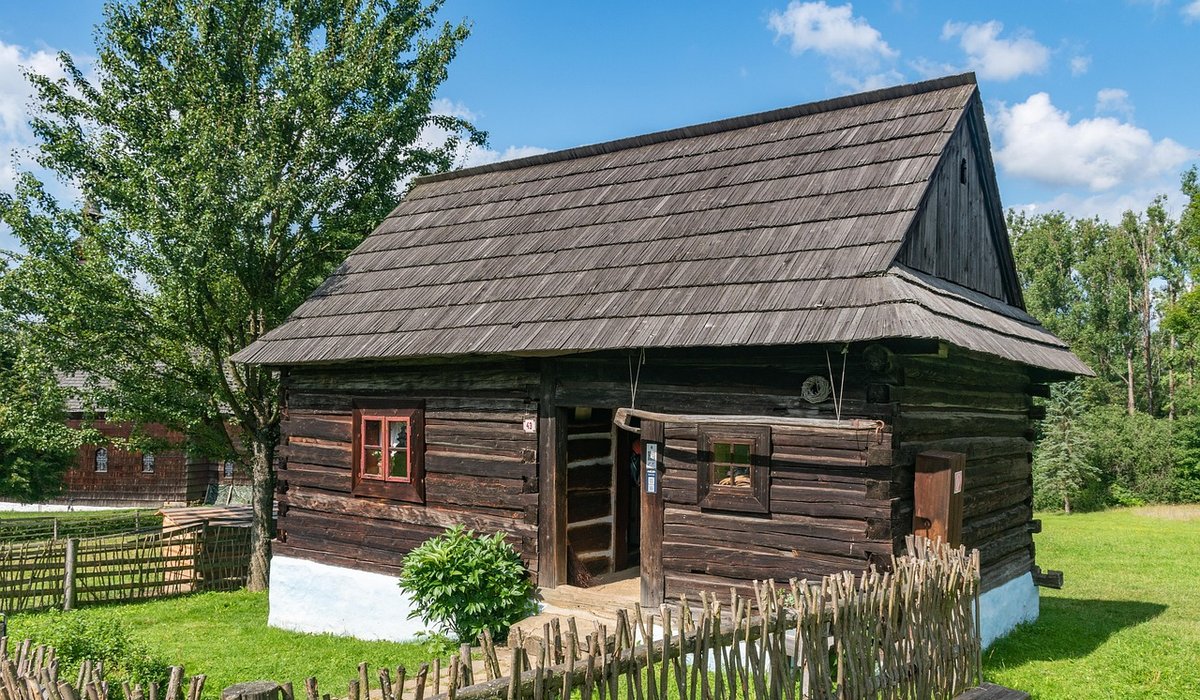
Spring in a small cottage garden arrives quietly at first. One morning the hellebores are suddenly taller, the compost heap is warm in the middle, and the birds are frankly unbearable before six o'clock. Before you reach for the secateurs, take a slow circuit with a mug of tea and a notebook. In a compact plot, every plant is doing two jobs, so it pays to look properly. Note which shrubs have outgrown their corner, where the soil is still sodden, and which gaps will need filling by July. Ten minutes of looking saves a season of regretful pruning.
If your garden doubles as a retreat — a bistro table, a bench under the arch, a chair tucked beside the shed — check those spots first. Winter may have lifted a paving slab, greened the seat, or sagged the gate. Fixing these small things early means you will actually use the space while the season gets going, rather than promising yourself you will sort it "later".
Early spring is the last comfortable moment to prune most deciduous shrubs and roses before growth takes off. The aim in a cottage garden is generous, slightly loose shapes, not tight topiary. Work with clean, sharp tools and take out the three Ds first: dead, diseased and damaged wood.
Leave spring-flowering shrubs such as forsythia and flowering currant until immediately after they bloom, or you will cut off the flowers you have waited all winter to see.
If you do one job that pays you back all summer, make it mulching. A 5–7cm layer of well-rotted manure, garden compost or leafmould suppresses weeds, holds moisture and feeds the soil life that does the real work underground. In a small garden, bare soil between plants is a wasted opportunity.
Spread it over damp ground — after rain is ideal — and keep it clear of stems, about 10cm back from trunks and crowns, so you don't invite rot. Around roses, clematis and soft fruit, a good mulch now means far less watering in August. If slugs are a nuisance, hold off around young hostas and lettuces until the plants have toughened up, or you will simply be building them a hotel.
Hardy annuals are the cottage gardener's secret weapon. They are cheap, generous, brilliant for pollinators and perfectly suited to a small plot because you can sow them in gaps between perennials and let them thread through.
Once the soil has warmed and dried enough to crumble in your hand — usually late March to mid-April in most of the UK — rake a patch to a fine tilth and sow direct. Choose a mix that suits your colours:
Sow thinly, water gently with a rose, and label the rows. Thin seedlings in stages to about 20–25cm apart; it feels brutal, but crowded annuals flop and mildew. A second sowing in late May will carry the display through to September.
For a small garden to feel like a retreat rather than a chore list, the sitting area needs as much attention as the borders. Scrub and oil wooden furniture on a dry, breezy day, and check bolts and joints before anyone leans back too enthusiastically. A pressure wash or a stiff brush on paving lifts winter grime and makes the whole plot feel twice as large.
Refresh containers with new compost, cropping the top 5cm and mixing in a slow-release feed. Plant up a pot of herbs by the door — thyme, oregano, chives — so a cup of tea outside becomes a small ritual. Warm white solar lights threaded through a trellis, or a simple lantern on the table, will have you out there on evenings you would otherwise spend indoors.
Herbaceous perennials that have formed a bald middle are telling you they want dividing. Lift clumps of hardy geranium, aster, helenium and sedge grasses, split them with two forks back to back, and replant the healthy outer pieces with a bucket of compost in the hole. Share the surplus with a neighbour — cottage gardening has always been a social business.
Finish with a general-purpose feed for roses, shrubs and hungry perennials, a light fork over of the vegetable patch, and fresh supports for anything likely to flop. Put canes and pea sticks in early, while plants are small, rather than wrestling them in during June. Slugs, aphids and weeds all wake up now, so a short patrol every few days keeps everything manageable without a chemical arsenal.
Do these jobs in the next few weeks and the rewards come quietly: fuller borders, healthier soil, and a small garden retreat that is ready to be enjoyed rather than merely maintained. Spring is short. Spend most of it sitting down, ideally with something flowering in view.

Quaintbower An honest, everyday look at the things that make life a little better — with advice you can actually use.

Quaintbower An honest, everyday look at the things that make life a little better — with advice you can actually use.

Even a balcony or courtyard can support pollinators. Plant nectar-rich flowers, provide water, and leave a little wildness for nesting sites.

Comments
ALina Kelian
19th May 2018 ReplyQuaintbower An honest, everyday look at the things that make life a little better — with advice you can actually use. ullamco laboris nisi ut aliquip ex ea commodo consequat.
Rlex Kelian
19th May 2018 ReplyQuaintbower We spend our time finding what works so you don't have to, and sharing exactly what made the difference. ullamco laboris nisi ut aliquip commodo.
Roboto Alex
21th May 2018 ReplyQuaintbower No rushing, no fuss — just thoughtful notes and practical help, written by people who care. ullamco laboris nisi ut aliquip ex ea commodo consequat.