

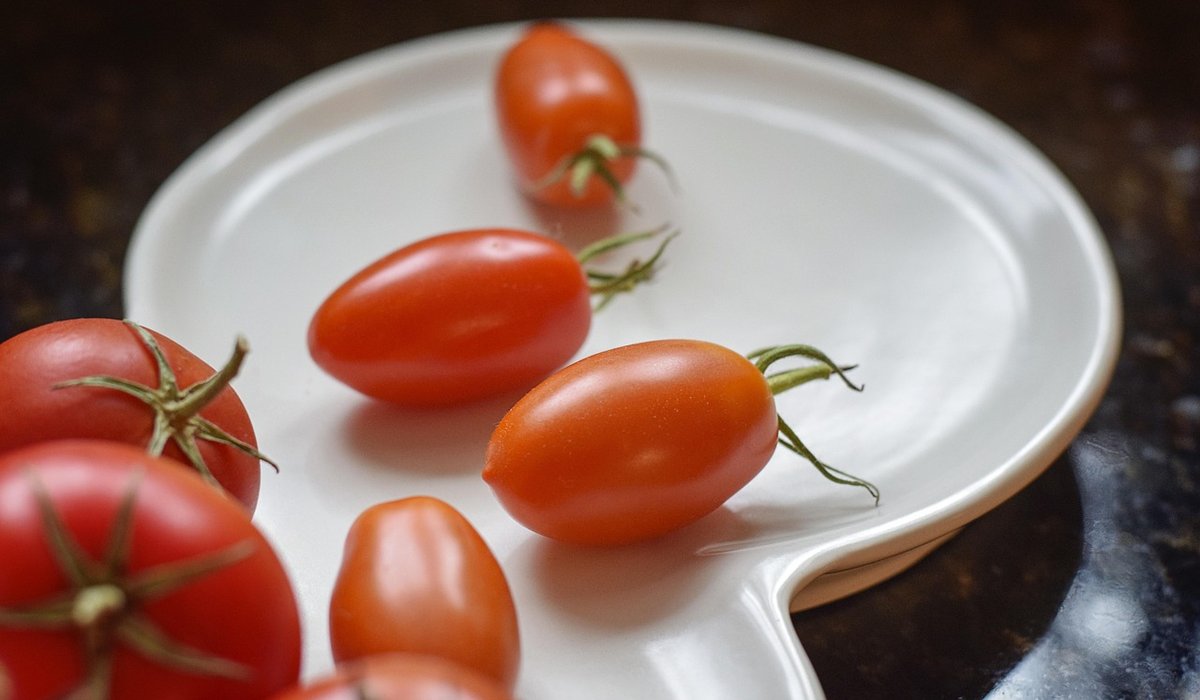
There is something deeply satisfying about stepping onto a small patio on a July morning and picking a handful of warm, sun-ripened tomatoes for breakfast. You do not need a vegetable plot, a greenhouse or even a south-facing garden to make it happen. What you do need is the right variety, a decent-sized pot, and a bit of discipline about water and feed. Get those three things right and a modest collection of containers will out-crop a scrappy row in the ground.
This is where most disappointing crops begin. A towering cordon variety bred for an allotment will sulk in a ten-litre pot, producing leaves and little else. Look instead for bush (determinate) types, which stop growing on their own and stay naturally compact. 'Tumbling Tom' trails beautifully from a hanging basket, 'Totem' and 'Garden Pearl' stand neatly upright in pots, and 'Red Alert' crops outdoors with cheerful reliability. Cherry varieties in general ripen faster and cope better with a British summer than large beefsteak types, and a few modern varieties carry useful resistance to blight, which matters enormously in a wet August.
If you only have room for three pots, choose three different varieties. A red cherry for salads, a small plum for sauces and roasting, and one slightly sweeter golden type makes a far more interesting harvest than three identical plants.
Give each plant at least ten to fifteen litres of compost; a pot of roughly 30–35cm across is about right. Grow bags are convenient but shallow, and the temptation to squeeze in three plants usually halves the crop. Plant two in a grow bag instead, or tip the spare compost into a proper pot. A peat-free multipurpose compost works well, especially mixed roughly half and half with a soil-based potting compost for weight and water retention.
Small volumes of compost dry out alarmingly fast, and irregular watering is the chief cause of blossom end rot — those sunken brown patches on the base of the fruit. Water little and often rather than drenching occasionally. In high summer a pot may need attention twice a day, morning and early evening, and a thirsty plant in full fruit will tell you quickly if you forget.
Always water the compost, not the leaves. Keeping the foliage dry is one of the simplest defences against blight, and it saves splashing soil onto low-hanging fruit. A couple of centimetres of compost or bark mulch on the surface slows evaporation considerably, and a self-watering reservoir or wicking tray will carry plants through a weekend away. As fruit begins to colour, ease back slightly to concentrate flavour — but never let a plant wilt.
Begin feeding only when the first truss of flowers has set and you can see tiny green marbles where the petals were. Feeding earlier simply produces lush leaves at the expense of fruit. From that point, apply a high-potash tomato feed once a week, following the dilution on the bottle, and increase to twice weekly when the plant is carrying several trusses.
More is not better. Overfeeding causes leafy growth, split fruit and hard, hollow tomatoes. If leaves yellow between the veins while the veins stay green, a teaspoon of Epsom salts dissolved in a litre of water will usually correct the magnesium shortage. In hard water areas, an occasional watering with rainwater is a welcome treat.
Cordon varieties need a cane as tall as you expect them to grow, or a spiral stake pushed firmly into the pot. Tie the stem with soft string in a loose figure of eight so it never rubs. Pinch out the side shoots that appear in the leaf joints each week — a small job that takes minutes and keeps the plant productive rather than sprawling. Bush types need no pinching at all, just a short cane or a small cage to stop heavy trusses dragging on the ground.
In late summer, stop cordons after four or five trusses so the plant's energy goes into ripening what it already has. Remove lower leaves as they yellow or brush the compost, and leave a little space between pots. Air moving freely around the plants is one of your best weapons against disease.
Tomatoes ripen from the lowest truss upwards. Pick them when they are fully coloured and give slightly at the shoulder — flavour develops on the plant, not on the windowsill. As light levels drop in September, either lift whole plants and hang them upside down somewhere frost-free, or lay green fruit in a single layer in a drawer with a ripe banana to speed things along. Anything left at the end of October makes excellent chutney.
Group your pots together near a bench or a chair, tuck a few basil, parsley and nasturtium plants between them, and you have a proper little retreat: somewhere to sit with a cup of tea, deadhead, pinch a side shoot and watch the fruit swell. Keep the pots close enough to the house that watering feels like a pleasure rather than a chore, and next summer you will wonder why you ever thought you needed a vegetable patch.

Quaintbower An honest, everyday look at the things that make life a little better — with advice you can actually use.

Quaintbower An honest, everyday look at the things that make life a little better — with advice you can actually use.

Leave seed heads, build log piles, and clean ponds gently. These autumn jobs help frogs, hedgehogs, and insects survive the colder months.

Comments
ALina Kelian
19th May 2018 ReplyQuaintbower An honest, everyday look at the things that make life a little better — with advice you can actually use. ullamco laboris nisi ut aliquip ex ea commodo consequat.
Rlex Kelian
19th May 2018 ReplyQuaintbower We spend our time finding what works so you don't have to, and sharing exactly what made the difference. ullamco laboris nisi ut aliquip commodo.
Roboto Alex
21th May 2018 ReplyQuaintbower No rushing, no fuss — just thoughtful notes and practical help, written by people who care. ullamco laboris nisi ut aliquip ex ea commodo consequat.